
1.4.3 Terrestrial habitats - Breeding and roosting locations
Breeding habitats for seabirds range from the large mountainous islands (e.g. New Ireland (Papua New
Guinea), Bougainville (PNG), Kolambangara (Solomon Islands), Vanua Lava (Vanuatu), Grande Terre (New Caledonia), Taveuni (Fiji), Gau (Fiji), Tahiti (French Polynesia)); to medium and small-sized islands, including (e.g. Mathew and Hunter Islands (New Caledonia), Ata (Tonga), Rarotonga (Cook Islands), Tutuila and Ta’u (American Samoa) and Rapa islets (French Polynesia)); raised atoll islands (makatea) (e.g.
Walpole Island (New Caledonia) and Henderson Island (Pitcairn Islands)) and to low-lying atoll islands (e.g. Marshall Islands, Kiritimati and Rawaki, Line Islands (Kiribati), Chesterfield Reef (New Caledonia), Rose Atoll (American Samoa), Oeno (Pitcairn Islands), Ducie (Pitcairn Islands)).

Figure 17. Large mountainous island: Kaua’í, Hawaii. Photo: André Raine
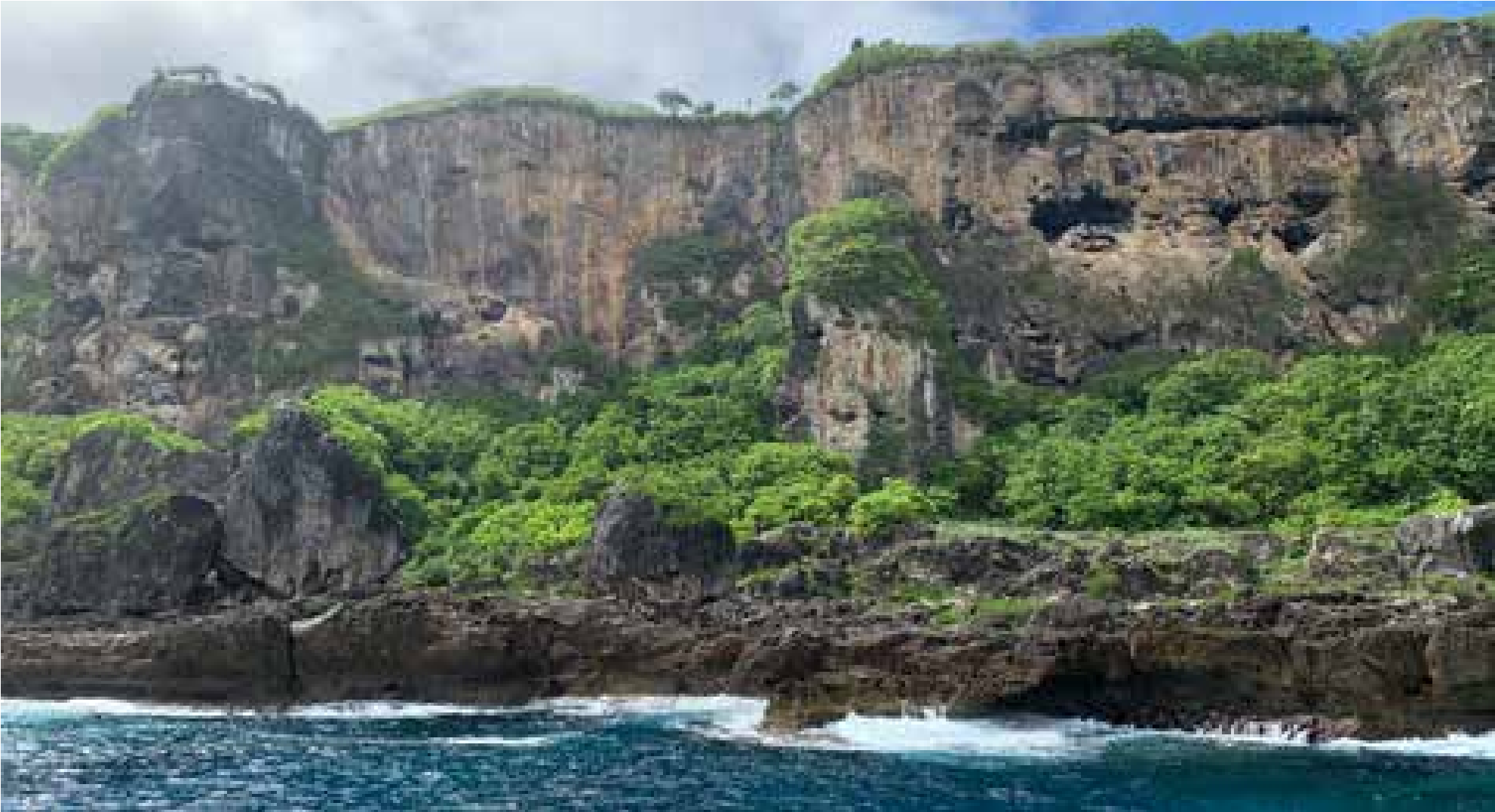
Figure 18. Raised atoll (makatea) island: Walpole Island, New Caledonia. Photo: Mathieu Mathivet

Figure 19. Medium-sized island, Rarotonga, Cook Islands. Photo: Te Ipukarea Society
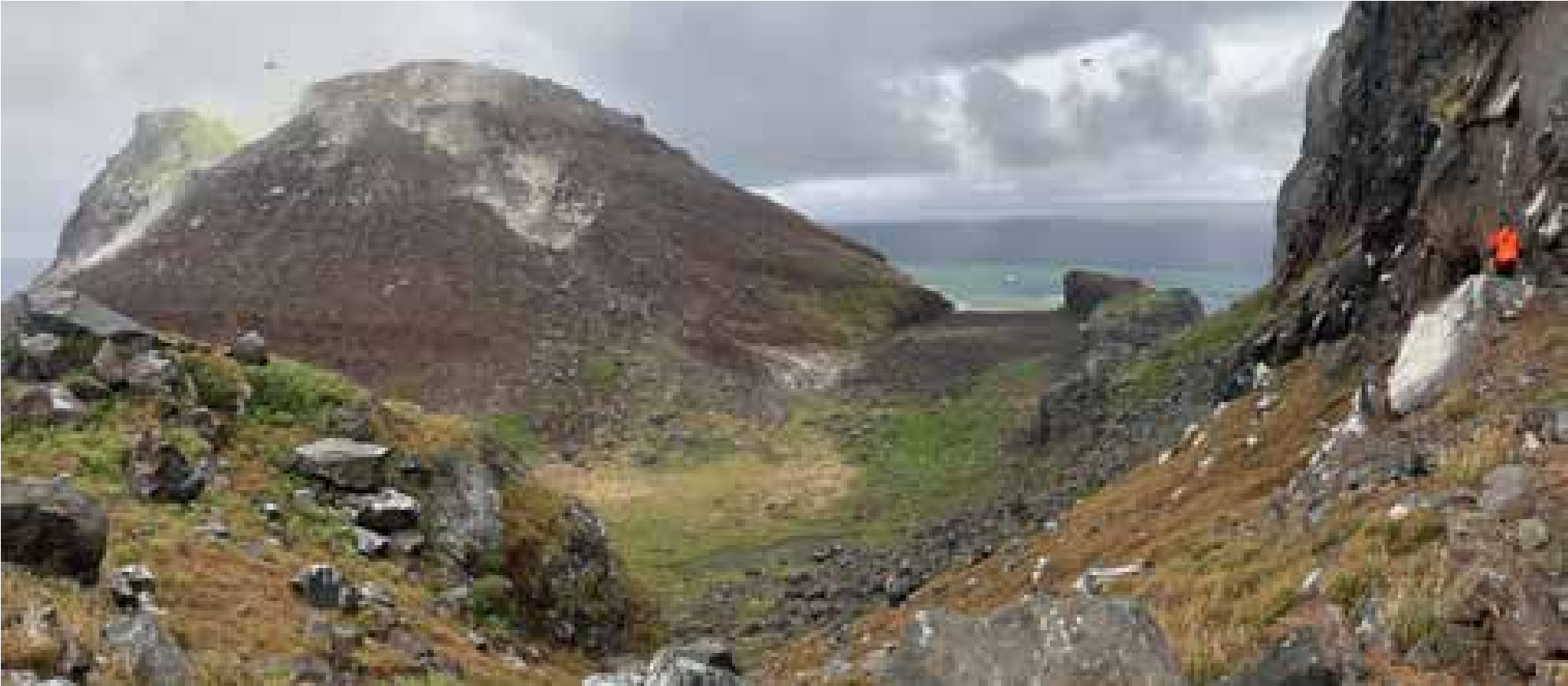
Figure 20. Small volcanic (active) island: Mathew Island, New Caledonia/Vanuatu. Photo: Mathieu Mathivet

Figure 21. Nishinoshima Island, Japan. Photo: Kawakami from the Asahi Shimbun airplane
Most Pacific islands are volcanic in origin and the beginnings of their terrestrial ecologies can be due to seabirds, roosting initially, then breeding. Species such as boobies, noddies and terns can roost on vegetated islands, and can transfer seeds to the bare ground on new islands. Nishinoshima Island is an active volcanic island in the Ogasawara Group, Japan. On this island, eruptions have buried all previous seabird breeding grounds in lava. The eruptions are continuing intermittently (2024), but seabirds such as boobies and terns have resumed breeding.
Collectively, Oceania’s seabirds use the full spectrum of nesting habitats: nesting above the ground in shrubs and trees, on the ground, and in burrows below the ground’s surface. White-tailed Tropicbirds (Phaethon lepturus) can nest in hollow trees, in arboreal tree ferns and in overhanging rock cavities.
Ground-nesting birds (Brown Booby (Sula leucogaster) and Masked Booby (S. dactylatra), Red-tailed Tropicbird (Phaethon rubricauda), Grey Noddy, Sooty Tern (Onychoprion fuscata) and some petrels and shearwaters can be separated into those that nest in open ground and those that prefer shade, finding it under rock overhangs, on ledges with rock overhangs above them, under shrubs or within forest. Those that nest in trees include Red-footed Booby, frigatebirds, Black Noddy and White Tern. Brown Noddies (Anous stolidus) nest both in trees and on the ground.
Several petrels, some shearwaters and storm petrels nest in burrows which could be located on small islands or far inland up valleys and on ridges and peaks of the interior of larger islands. The microhabitat of these burrows can be highly varied from coral rubble, barren lava flows (including lava tubes and caves) and sparsely vegetated scree slopes to scrubby shrublands and dense forest vegetation. Colonies can be located in coastal habitats all the way up to many kilometres inland in interior cloud forests and mountain top plateaus. Burrow size can also vary significantly. Smaller species (such as storm-petrels) typically have very narrow entrances and may not even have typical burrows, instead using cracks and crevices or gaps under rock piles. Conversely larger petrels and shearwaters can have wide-mouthed burrows that range from their body size up to cave entrances, and these can be either shallow structures or extend back three or more metres.
When not at their nests, some species (such as boobies, frigatebirds and terns) will roost in other places, on rocks, cliffs or in trees. There are other species that disperse far away from their breeding grounds outside the breeding season, becoming strictly oceanic until the next breeding season (i.e., petrels, shearwaters and storm-petrels).