
2.1.10 Dog searches
Probably not relevant for Palau at this point.
Detection dogs have been used successfully for multiple conservation projects in recent years – relying on the dog’s far superior sense of smell to locate a variety of things that might otherwise go undetected by human searchers. These include biosecurity projects (locating invasive plants and mammals), predator control projects (helping hunters locate target animals, such as for rat and mongoose eradication efforts), and disease control (such as locating carcasses during botulism outbreaks). Seabird projects have also started using dogs in multiple ways, not just in direct management actions but also to locate burrows of breeding birds.
In these instances, dogs can increase the speed and searcher efficiency of hard-to-find species and being lower to the ground may have an advantage in low hanging vegetation and steep slopes. Examples include the discovery of the first Band-rumped Storm-petrel (Hydrobates castro) burrows on Hawaii Island and New Zealand Storm-petrel burrows on Hauturu in Aotearoa New Zealand.
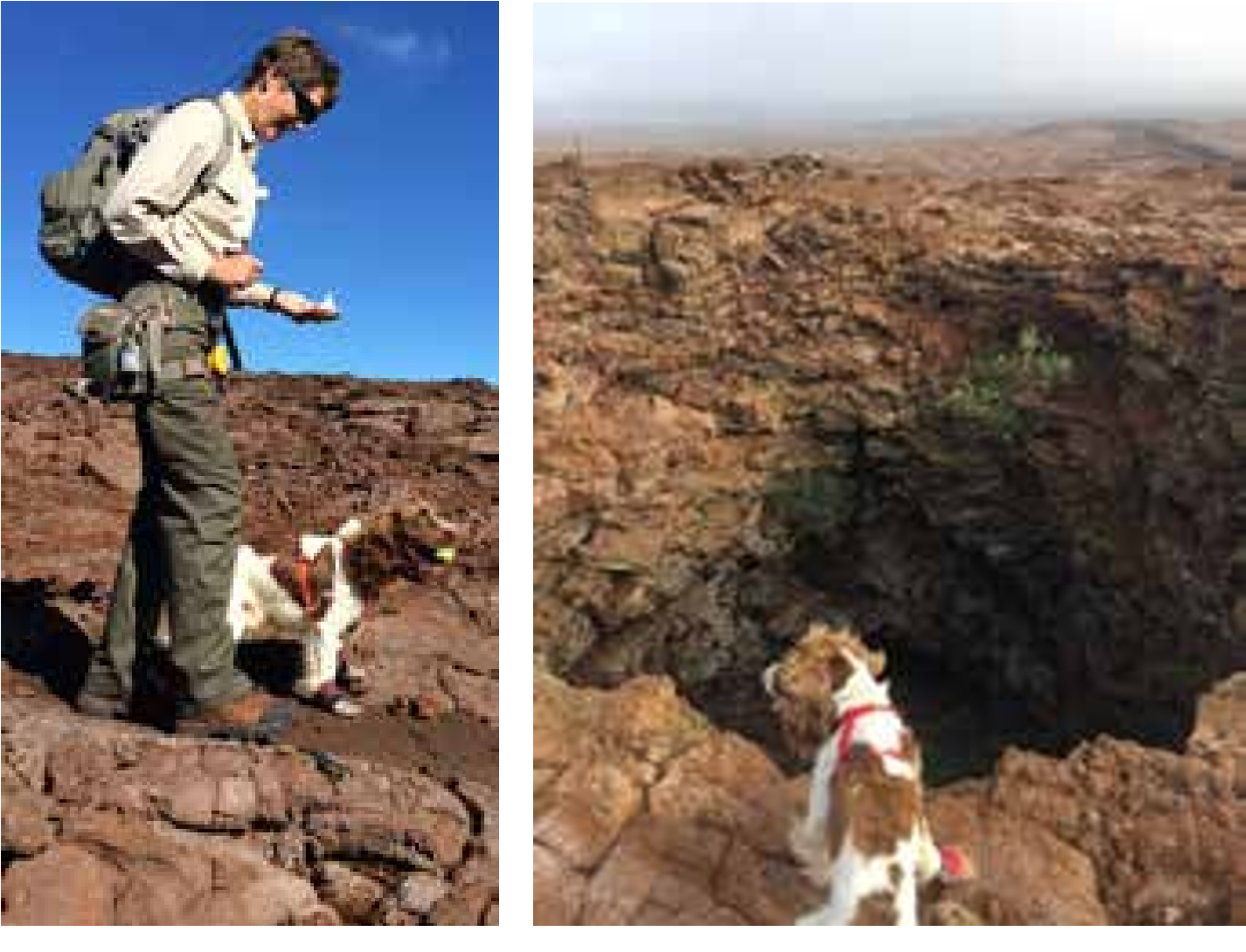
Figure 50. Petrel detection dog with handler amongst the lava fields within the Pōhakuloa Training Area, on the slopes of Maunu Loa, Hawaii. Photos: Nicole Galase.
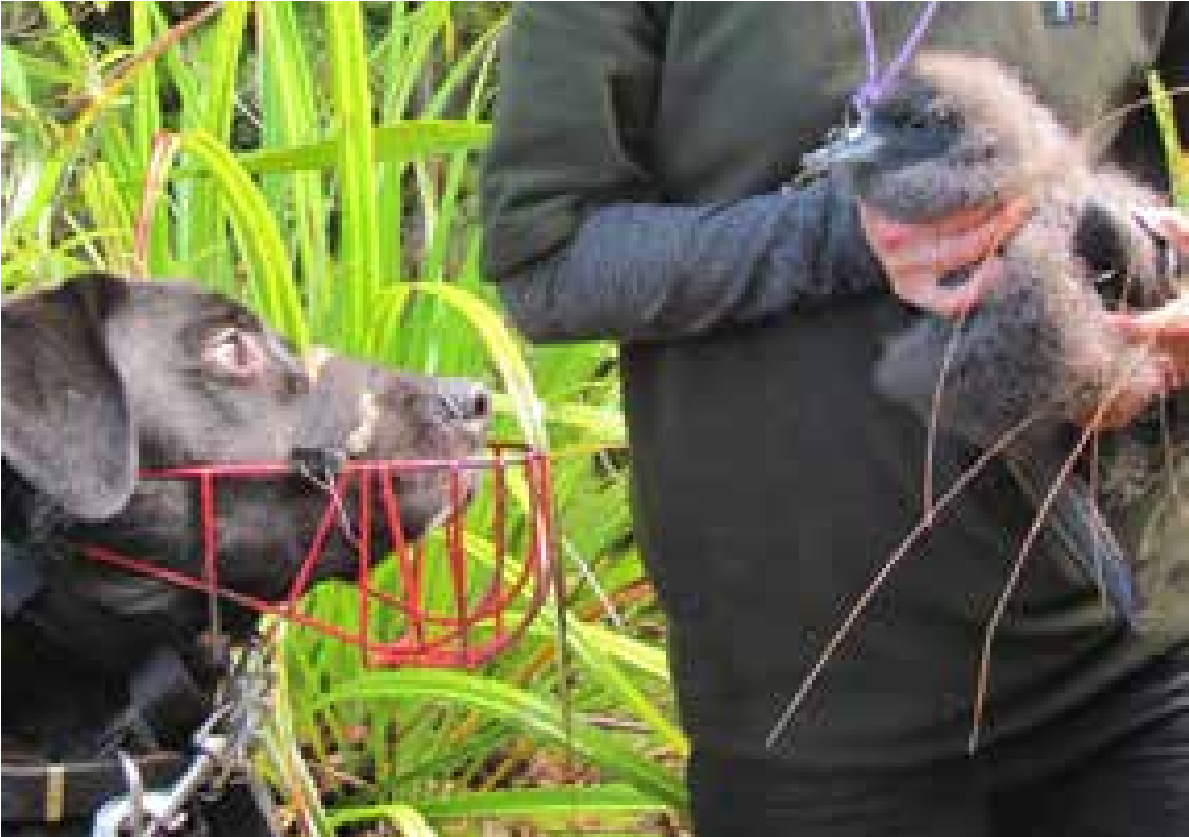
Figure 51. Found! A Black Petrel chick, extracted from a burrow, Te Hauturu-o-Toi/Little Barrier Island, Aotearoa New Zealand. Photo: Brook Mells, Dabchick NZ.
Another area where dogs have been used recently is searching for grounded birds during ‘fallout’ seasons (particularly when fledglings are attracted to bright lights and become grounded in urban areas). Dogs can provide a viable way of finding these birds around hotels, resorts and towns and can even be more effective than humans when it comes to finding birds tucked away under buildings, in drainpipes, or under thick vegetation. As fallout can often be significantly under-estimated by human observers, detection dogs can be a very useful addition to assessing this conservation issue.
While dogs can have multiple uses for seabird projects, there are several considerations.
Firstly, this is a highly specialised methodology that requires a well-trained dog (trained specifically on the target species) and an experienced handler. You won’t get far trying to use a stray off the street or a pet Pomeranian! This means there may not be a lot of choice (or any) for obtaining the services of a dog, and this can also lead to increased costs.
Secondly, dogs may not be the best choice for certain habitats, such as dense understory that they can’t get through or hot crumbling rock on a remote island that may damage their paws. In these cases, you may just have to accept that while it was a nice idea to consider hiring the services of a dog, it’s actually going to be you that spends days and days in an area searching for your target species!