
1.1.1 Seabird ecology
Seabirds have biological characteristics that differ dramatically from most land birds. These characteristics reflect the challenges of finding food from the changing marine environment and the evolution of many species in the absence of mammalian predators.
The life-history characteristics of seabirds are often referred to as ‘extreme’, including long lifespans (20-60 years in the case of Procellariiforms including albatross species), delayed maturity (up to 15 years), small clutch sizes (often a single egg with no replacement in a season), and long chick development periods.
These life-history characteristics means they are especially vulnerable to population decline. By comparison, many terrestrial birds have shorter lives, lay larger clutches of eggs, and have chicks that mature more rapidly. The ‘slow’ lifestyle of seabirds means they are slower to recover after declines, as it takes longer for them to mature and breed.
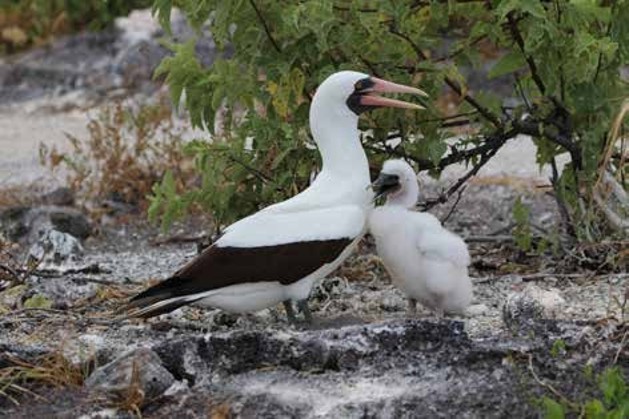
Figure 4. Masked Booby adult and chick, Genovesa. Galapagos. Photo: André Raine
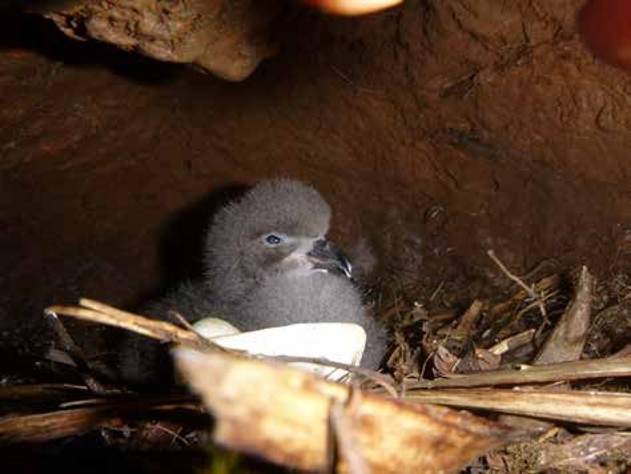
Figure 5. Hawaiian Petrel chick in burrow, Kaua’i, Hawaii. Photo: André Raine
The feeding habits of seabirds vary. However, seabirds of the Pacific spend most of their life cycle on the open sea, an environment to which they are supremely adapted. Flight for many species is extremely efficient, with momentum gained via dynamic soaring, where birds take advantage of reduced wind speeds near the ocean’s surface.
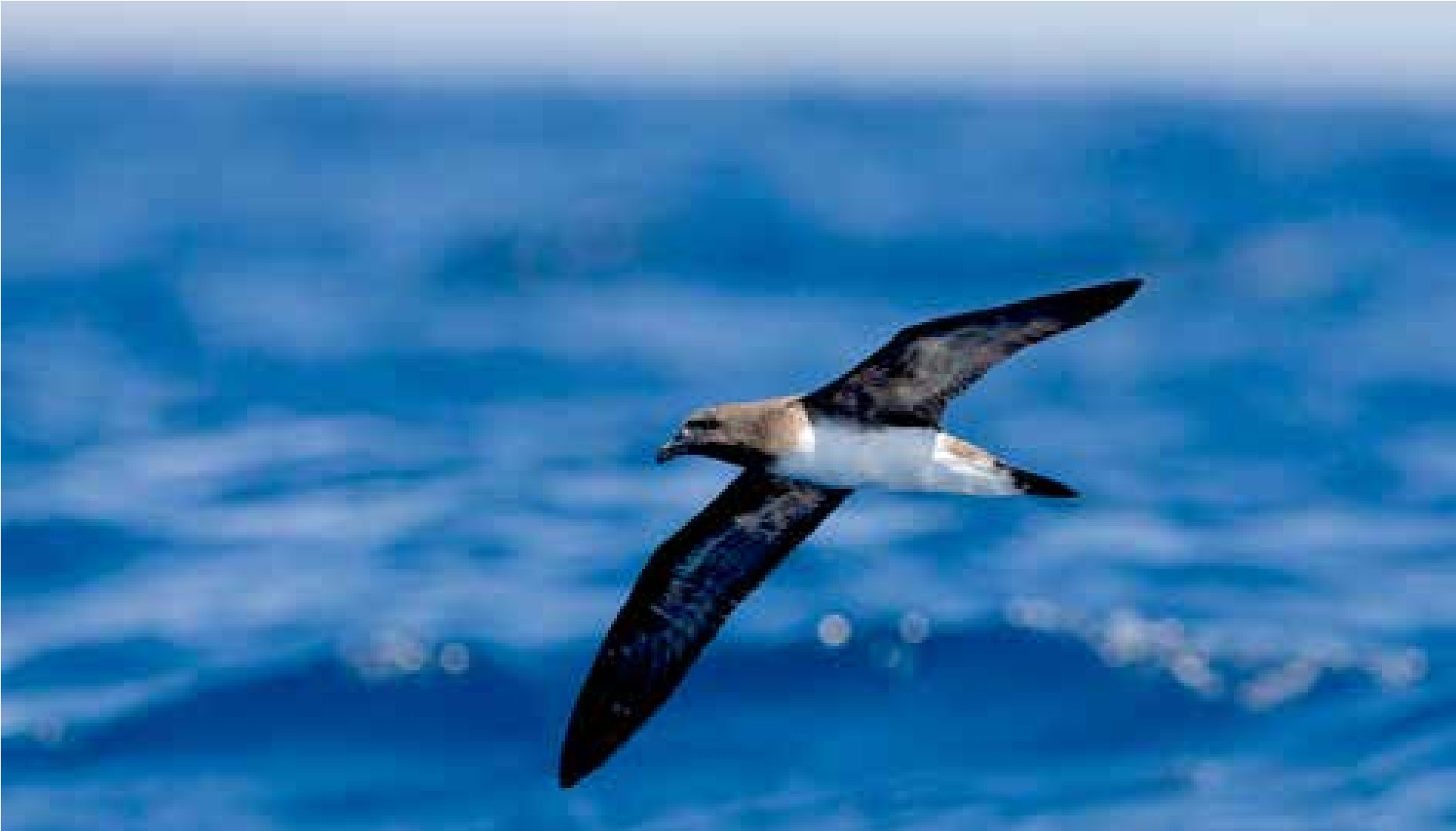
Figure 6. Beck’s Petrel in flight. Photo: Hadoram Shirihai
Seabirds can find their food over large distances. Excellent vision keeps them alert to the activities of other seabirds, fishes, dolphins and whales, and a strong sense of smell enables them to detect potential prey upwind. The majority of seabirds have water resistant feathering (from feathers’ interlocking structures and preen gland oils), webbed feet for swimming and bills with hooks, points, serrations and/ or filters. These adaptations enable seabirds to exploit a variety of prey such as fish, crustaceans (krill) often in association with fish schools, cephalopods (squid), phytoplankton and zooplankton from the surface to deep in the water column. Foraging strategies vary by species, with some picking prey from the surface of the sea, and some diving to depths of 60 metres or more to chase prey below the surface.
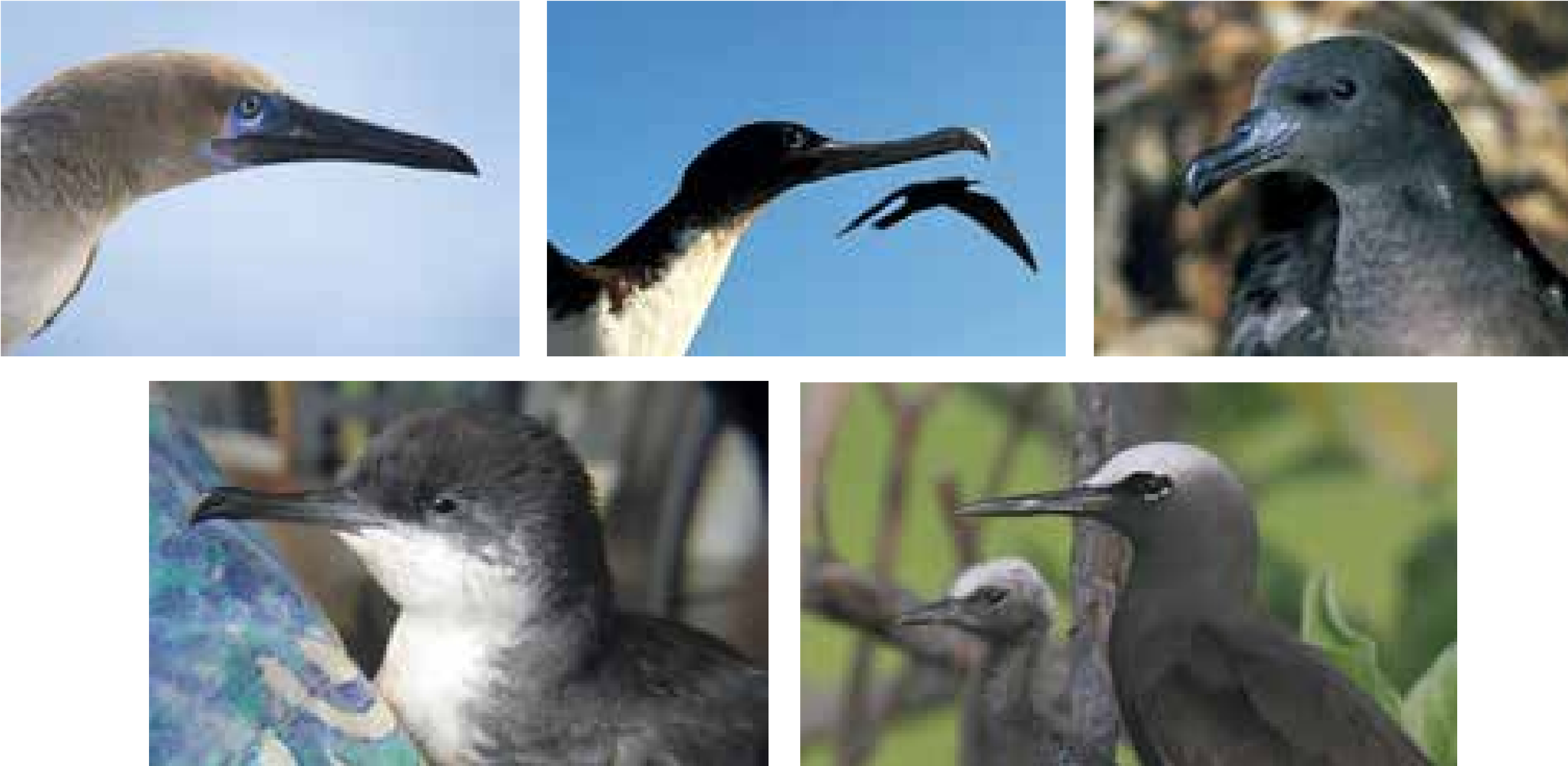
Figure 7. Seabird portraits showing shape of bills: Booby, frigatebird, petrel (left to right, top) shearwater, noddy/ tern (left to right, bottom). Photos (clockwise): Edin Whitehead, Mathieu Mathivet, Lucie Faulquier, Eric VanderWerf, Stephen Percival
Many seabirds are colonial, aggregating in loose or dense colonies where they find protection from predators through sheer numbers. Species nest either on the surface (terns, albatross), or in vegetation (boobies, noddies, frigatebirds), in rock crevices, or underground in excavated burrows (petrels, shearwaters, storm-petrels). While some species, (e.g., Grey Noddy (Anous albivitta), White Tern (Gygis alba) and also Kermadec Petrel (Pterodroma neglecta) and Tahiti Petrel (Pseudobulweria rostrata) may be present all year round, others return to their colonies at the beginning of the breeding season to clean and defend the nest site and re-establish pair bonds.
After nest sites have been claimed or burrows redug, or cleaned up, birds will copulate at the site. Thereafter the female needs to return to sea to grow the egg. The male needs to also return to sea to gain sufficient fat stores to survive the first incubation shift, once the egg has been laid. This period is the pre-lay exodus or honeymoon period. Previously busy colonies can sometimes appear almost abandoned, necessitating a good knowledge of seabird breeding timing not to misjudge colony activity from inopportune timing of monitoring visits.
Many species (including albatross, petrels and shearwaters) have long incubation and chick-rearing phases. For most species, once the chick is large enough to thermoregulate independently it is left unattended whilst both its parents forage at sea. In most species, both parents look after the chicks until they fledge. However, seabirds are more threatened than any other comparable group of birds and their status has deteriorated faster over recent decades. In Oceania, the petrels, shearwaters and storm-petrels (family Procellariidae) in particular, have lost more populations than any other bird family3.
This loss of Oceania’s unique seabird biodiversity also represents a loss of cultural values, as they have long been an important part of life in the region. The cultural importance of seabirds includes being a vital food source, as a guide for fishers to locate fish at sea (tuna birds), as elements of legends, totems and chants, and incorporated into clothing, ceremonial dance and art.
Seabirds also played a pivotal role in the expansion of Pacific peoples across Oceania by providing signposts for locations of tiny islets in the vastness of the open ocean.
Seabird behaviour (whether they roosted on land at night or stayed at sea) was used by Polynesian navigators to find low-lying atolls tens of kilometres away late in the day. Loss of seabird biodiversity also has impacts on the health of coastal and forest ecosystems where they breed.
Seabirds bring marine-derived nutrients to the land via their guano (aka poo), thus helping to feed and nurture near shore coral reef and terrestrial ecosystems; the flow-on effects of this are discussed in Section 1.3.
Returning healthy populations of seabirds to Oceania will help build ecosystem resilience and support terrestrial habitats as important carbon sinks, while retaining Pacific people’s links with seabirds as ecosystem sentinels.