
2.1.9 Ground counts
Surface nesters
For surveys of colonies of surface nesters such as Sooty Tern, Grey-backed Tern (Onychoprion lunatus) and Great Crested Tern (Thalasseus bergii), and boobies (Red-footed, Brown and Masked) that require repeat counts, it is important to adopt a standardised approach that can be used across each breeding season, and multiple years. What you are counting (i.e., birds on nests/unoccupied nests, adults/chicks) will depend on the purpose of your survey, and also timing within the breeding season.
Choose your method and stick with it. Changing survey methods between years can result in wildly different results that have nothing to do with the birds you are counting. The general method is for the counters to use tripod-mounted spotting scopes, binoculars or the naked eye as appropriate. Hand-held tally counters can be used to assist counting. Observation viewpoints are generally at the same level of the birds (if they are on cliff faces), or at a viewpoint looking down towards a colony (if they are nesting on flat ground). It is good practice to use multiple counters to be able to assess for any observer biases. Many of the ground-nesting species can be sensitive to human disturbance so care is needed to avoid flushing birds from nests. Flushing exposes eggs and chicks to overheating and predators and may cause parents to accidentally damage eggs or injure small chicks or knock them from the nest.
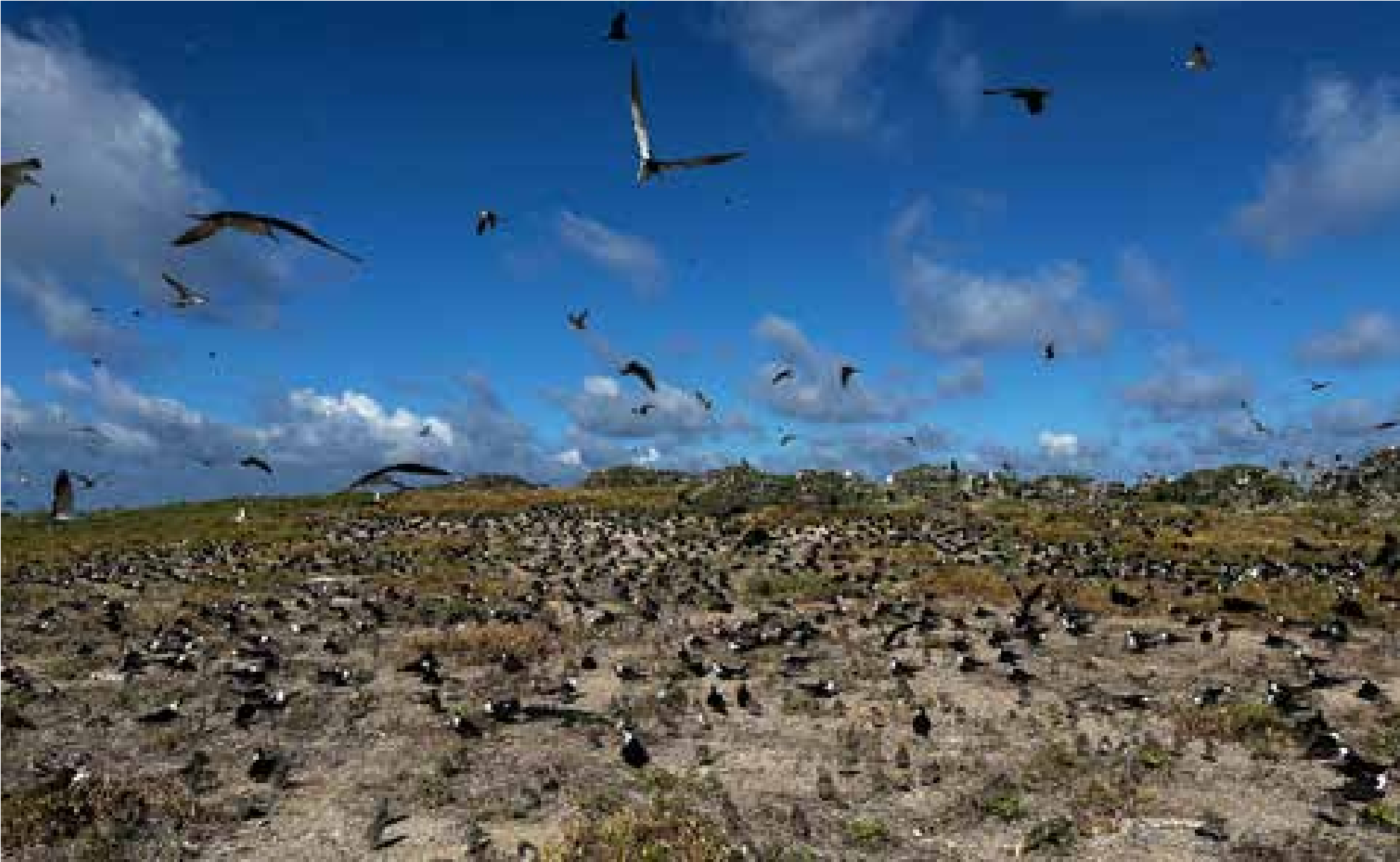
Figure 44. Sooty Terns, chicks visible walking around in the foreground, frigatebirds in trees in the background; Chesterfield Reef, New Caledonia. Photo: Mathieu Mathivet.
If it is necessary for monitoring purposes to approach nests of these species and adults are likely to be flushed from nests, visits should be made during the cooler parts of the day and their duration should be as brief as possible to allow adults to return to the nest quickly. Adults and chicks of these species also may regurgitate if approached closely or handled; this can facilitate collection of diet samples, but it also causes stress to the birds and deprives them of food and should be avoided if possible. Ground counts by walking through colonies and marking with spray paint next to nests works well if the species does not show any fear of humans. It also allows banded birds to be observed, and data collected. However, this may not work for most tropical species where human disturbance has been a problem. Remote cameras can be used for monitoring nesting activity including chick development and predators (see previous section).
Several tropical and sub-tropical petrels nest on the surface, under vegetation, often in forest: Kermadec, Herald, Phoenix, Henderson and Murphy’s Petrels. Their presence in dense vegetation can be detected using playback of their calls, or even war by whooping, and then can be counted.
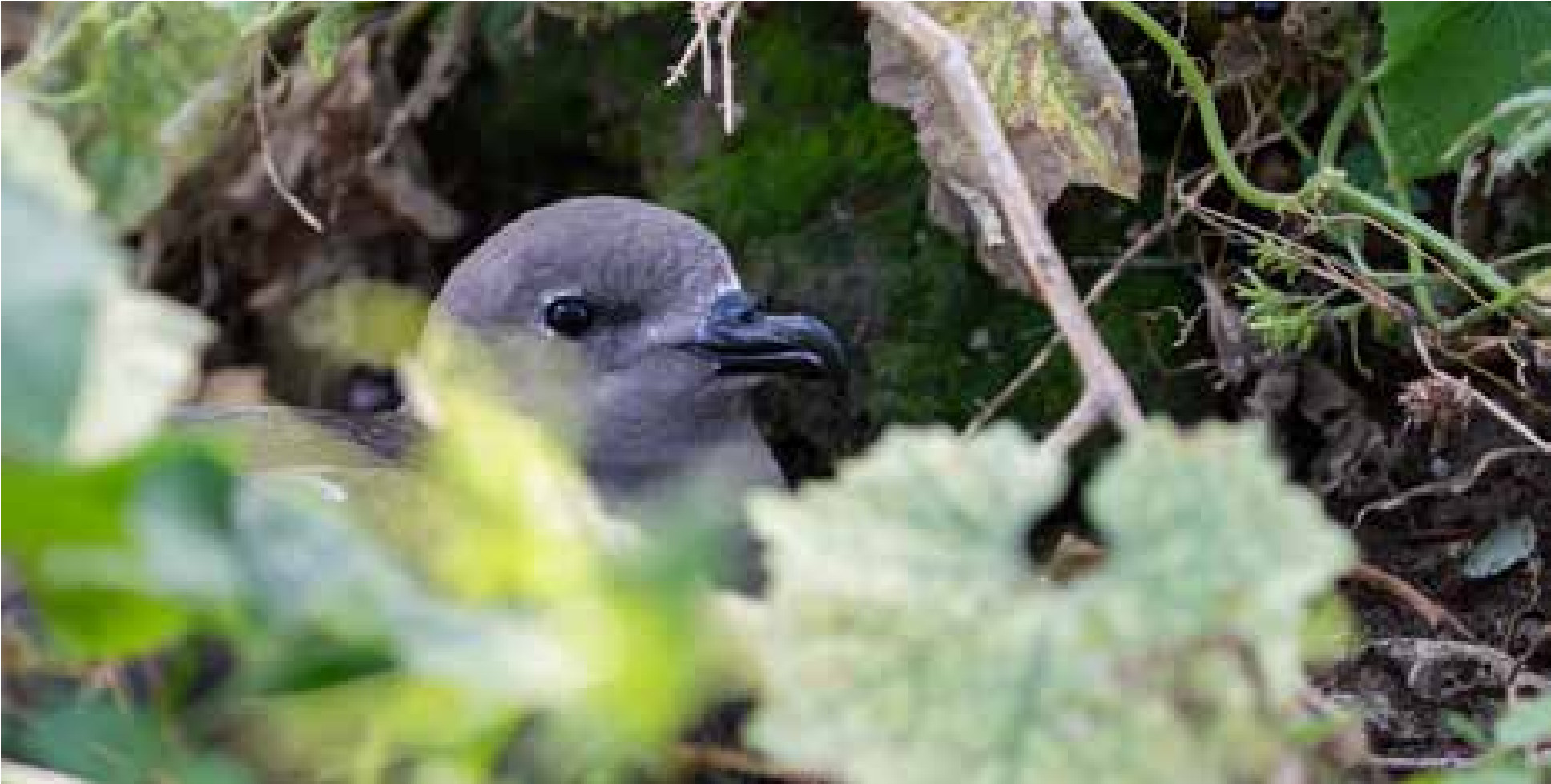
Figure 45. Kermadec Petrel on its nest amongst dense mawhai (a native New Zealand cucumber relative), North Meyer Island, Rangitāhua/Kermadec Islands. Photo: Edin Whitehead.
Drones or unmanned aerial vehicles (UAVs) represent a new frontier in environmental research. Their use has the potential to revolutionise the field if they prove capable of improving data quality or the ease with which data are collected beyond traditional methods.31 There is also far less disturbance of nesting and roosting birds, compared to ground counting. With this in mind, we provide a more detailed look at the use of drones for surveying seabirds (See Section 2.2.7). A word of caution, the transition from traditional to new UAV-based monitoring methods requires careful consideration, particularly in terms of maintaining the relevance of historical data that have been collected at substantial time and financial cost. A few seasons of counting with both methods would allow for comparing results between old and new methods.
Counting tree nesters
For small colonies it might be possible to count every nest, but this depends on accessibility – i.e., tree height, or whether the ground below the trees can be traversed without risk. If a colony is on a very steep slope, find a vantage point with a clear view of both nests and birds flying in and out. In the case of a colony on the steep slope or cliffs above the shore, then use of a boat could be helpful. Alternatively, drones can be used (see Section 2.2.7). Consider using a good-quality camera as well and taking photographs to allow counting back at base camp or the office. Having photographs means you have good baseline reference material for future comparisons and allows for more accurate counting (if the photographs are of sufficient quality). There are multiple good computer programmes used for counting targets on images, including through the use of A.I., for example DotDotGoose https://biodiversityinformatics.amnh.org/open_source/dotdotgoose/
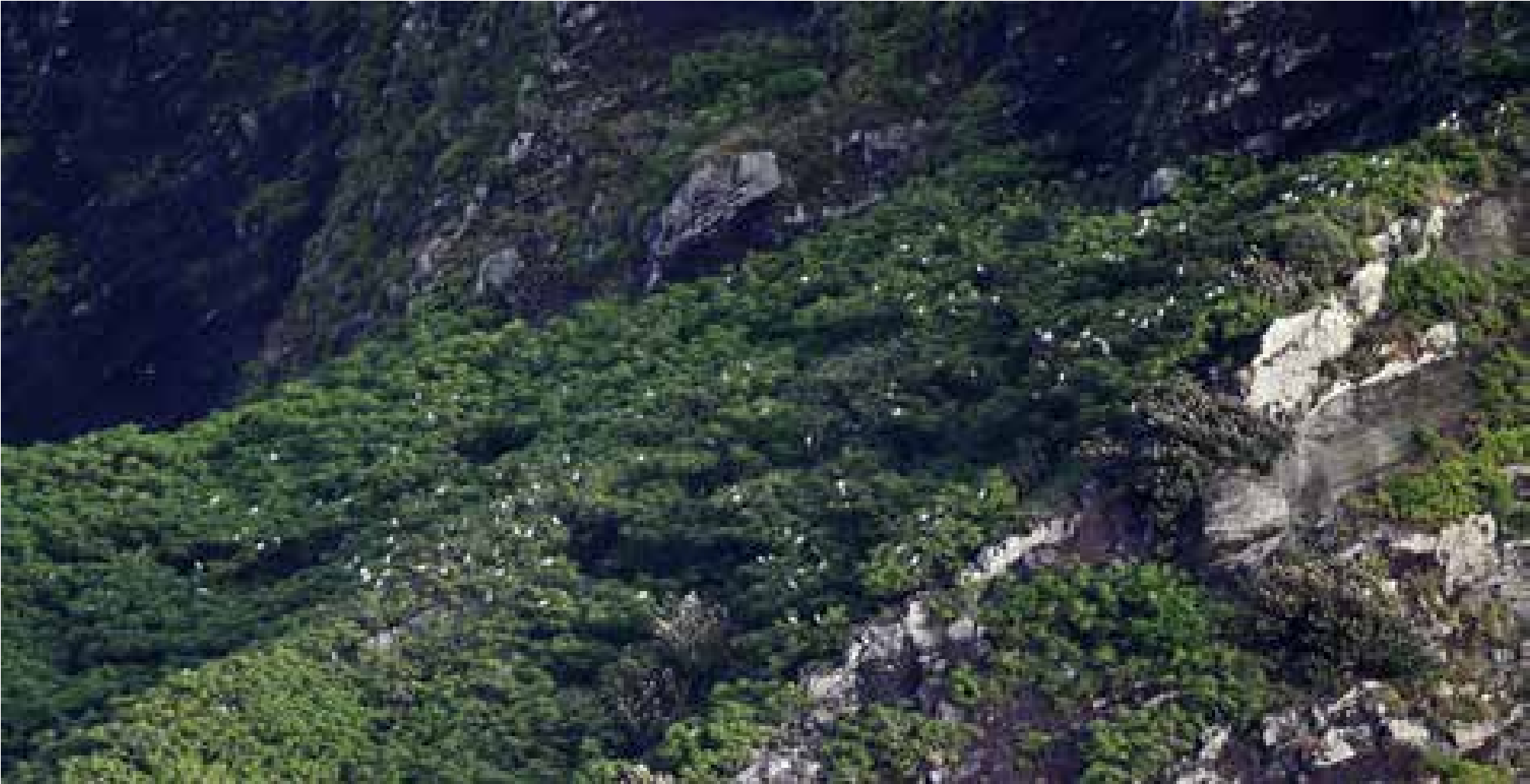
Figure 46. Red-footed Booby colony at Minami-Ioto (Iwo-jima), Japan. Photo: Hiroyuki Tanoi.
For tree-nesting birds, scan each tree several times from different vantage points. Nests are often hidden by branches or leaves, and sunlight can either hide or highlight birds or nests. If part of a tree is completely obscured by lower foliage, estimate the number of obscured nests based on the density of nearby visible branches.
As most tree surveys are done in daylight hours, it is important to remember that some species (such as noddies and boobies) are at their maximum densities at night, leaving at first light and only coming back into colonies sporadically in the afternoon. If you are using daytime presence as an indication of breeding season length, for example, you can misjudge them significantly.32
Ground searches - burrowing seabirds
Since burrowing petrels nest in underground burrows and cavities, frequently in remote places that are hard to access, obtaining quality data is often much more difficult than for surface-nesting seabirds. This is exacerbated by rarity – locating burrows of coastal-nesting Procellarids nesting in high density is not difficult (although studying them presents its own challenges!), whereas trying to find a single burrow in dense forest on steep terrain can be extremely daunting.
Coupled with a healthy dose of patience, there are many methods that can be employed to locate burrows. Below we outline some steps that you can take when faced with trying to locate the burrow of a rare seabird in a known breeding area.
- Consider using acoustic sensors and cameras. Deploying acoustic sensors and cameras in a structured way that covers as much of the potential breeding area can help narrow down your search area. Check out the sections we have in this manual on these methods.
- Carry out visual surveys of the breeding area. Strategically placing surveyors across the breeding site during the peak activity period can also help narrow down your search. As many of these species only come to burrows at night, use night vision and thermal cameras to help spot the birds. Listen for ground-calling; many species will call from the ground next to their burrows and this will help you narrow in on the burrow itself. Other species call in flight repeatedly over top of their nest site attempting to attract a partner or looking for others of the same species in isolated nesting sites.
- Location, location, location! If you know exactly what your target species prefers to breed in, focus on those areas for your searches. For example, does the species like to nest in the roots of large trees, in thick beds of ferns, at the base of cliff walls, or under rocks? Understanding the microhabitat requirements of your species is very important for locating burrow-nesting birds.
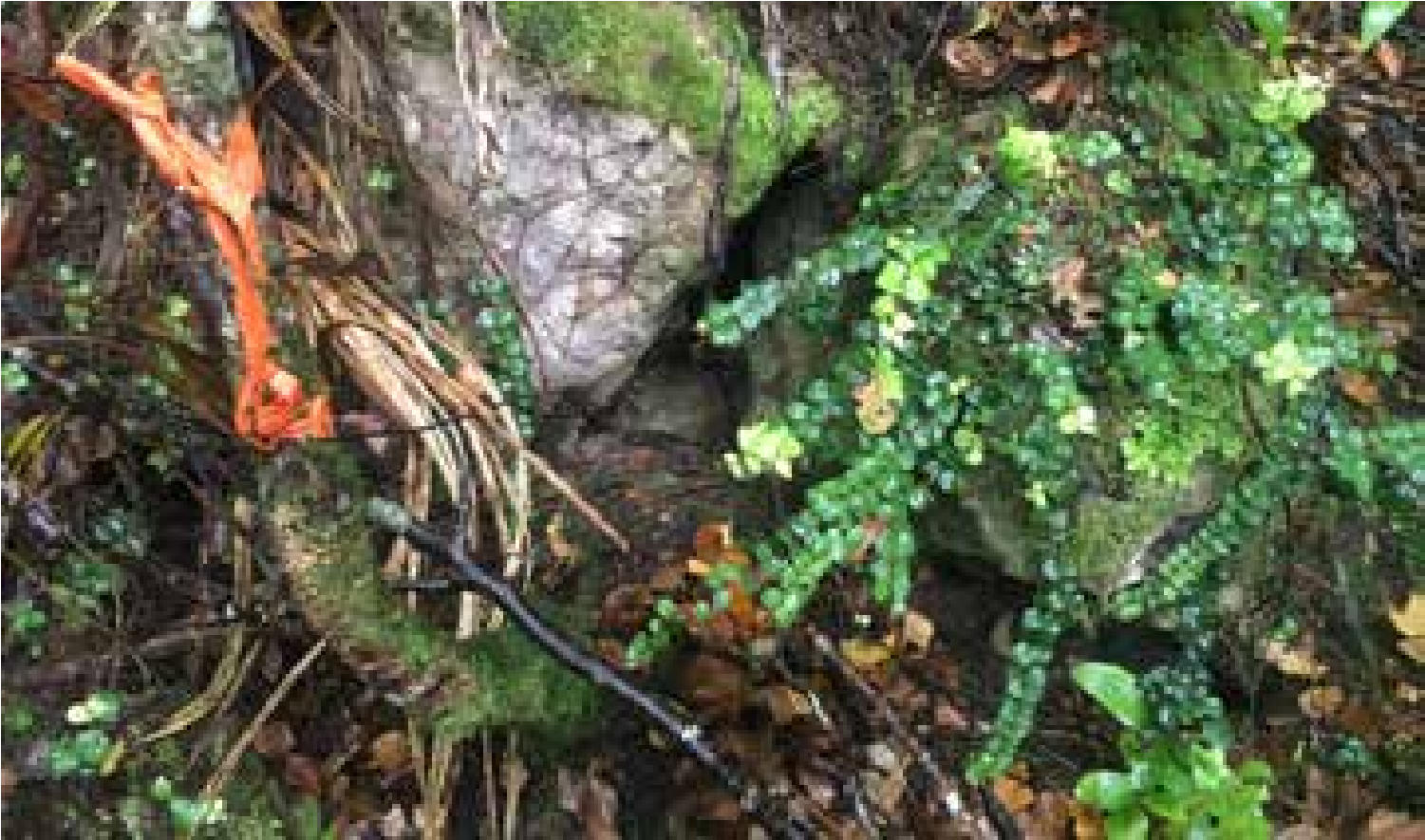
Figure 47. New Zealand Storm-petrel burrow in crevice between rocks within forest, Te Hauturu-o-Toi/Little Barrier Island. Photo: Chris Gaskin.
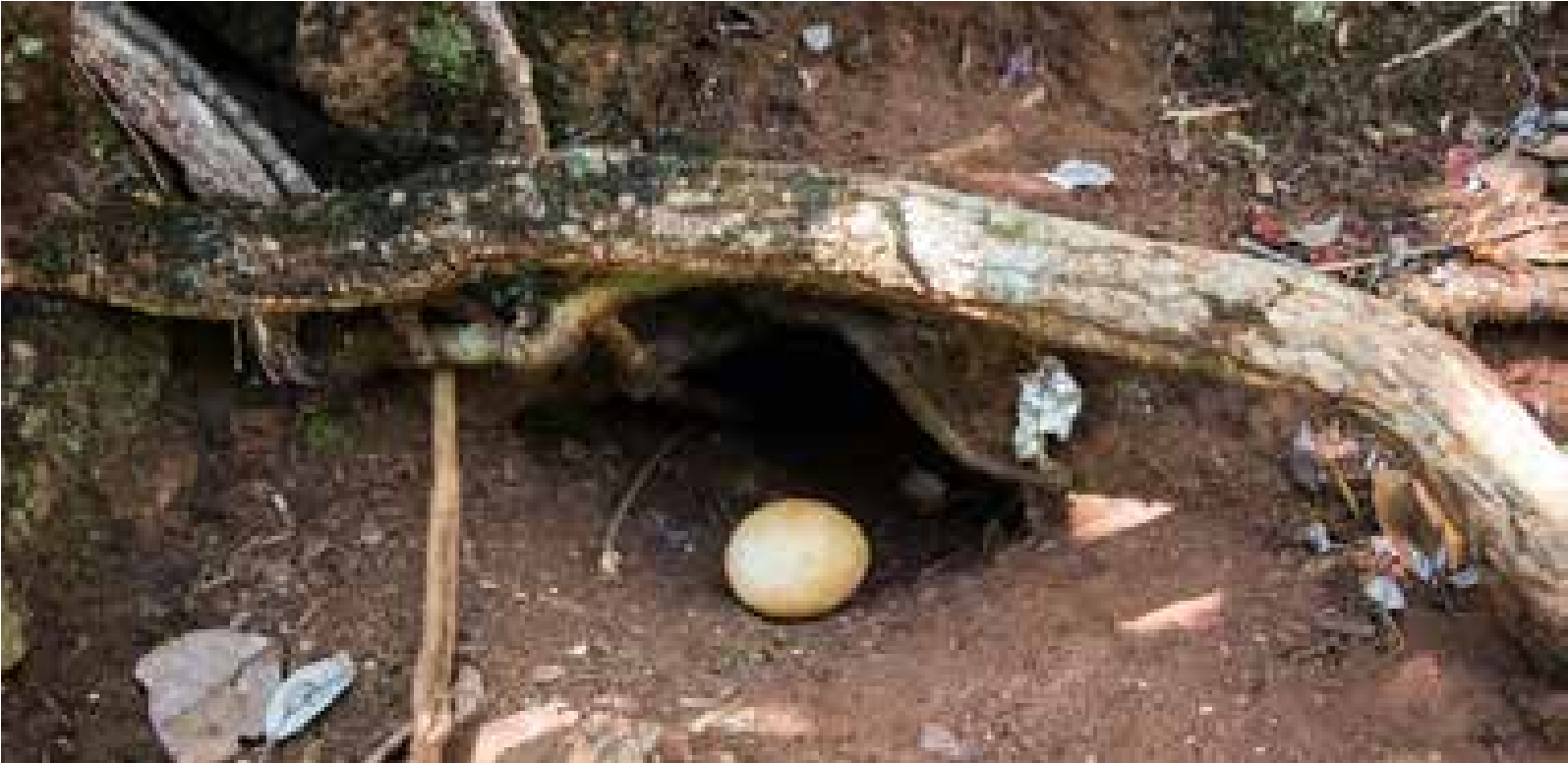
Figure 48. Tahiti Petrel burrow with abandoned egg in entrance, Îlet Nemou, New Caledonia. Photo: Wilfried Weiss.
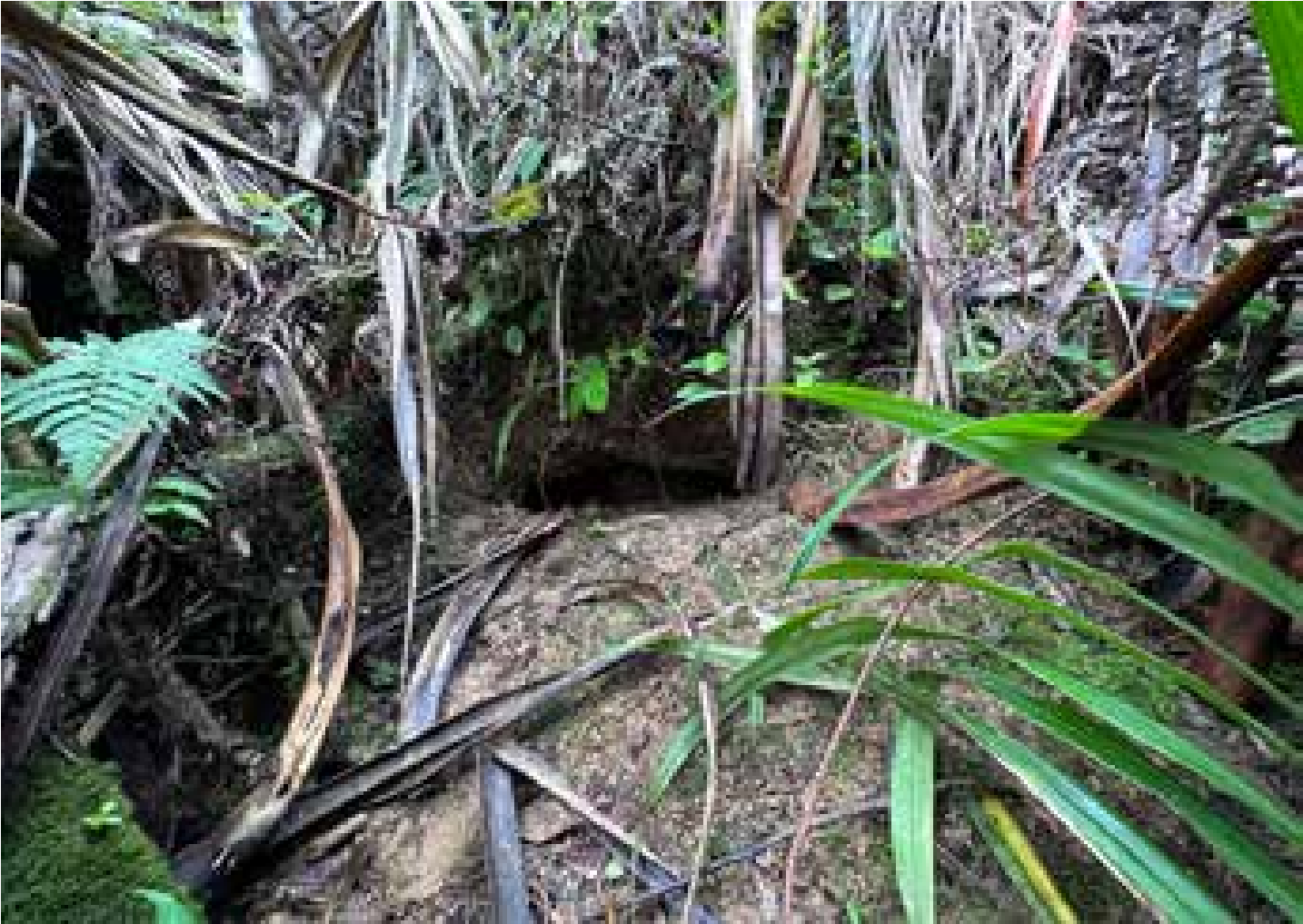
Figure 49. Tahiti Petrel burrow, Tutuila, American Samoa. Photo André Raine.
- Choose the right time of year. While it’s obvious that there is little point in searching outside the breeding season for burrows, even within the breeding season there are better times to concentrate your search. To maximise your chance of locating a burrow, choose your search timing for when the bird has been actively using the burrow for a while, as this increases the chance of there being any signs (see below) for you to locate the burrow itself. Don’t search when the bird is on its pre-lay exodus, for example, as there will be little sign for you to find. Rather, wait until incubation or chick-rearing when birds are using the burrows regularly.
- Know what sign to look for. Take your time working through the habitat, paying close attention to telltale seabird signs – feathers, guano, footprints, and scent. Some species (especially larger petrels and shearwaters) give off a strong seabird scent that can draw you down to their burrow entrance from a distance away.
Using these steps, being observant, and spending in some cases a lot of time and effort, will greatly increase your chances of finding a burrow of your target species. You could also consider tracking options – tagging transiting adults and following them to their burrows via their GPS locations – or the use of trained detection dogs. For that, see other sections in this manual (Sections 2.1.10 and 2.1.12). One last point to consider, do you actually need to locate a physical burrow? It may be that knowing the birds are breeding in an area (through repeated calling throughout the breeding season for example) is enough for your research or management needs. While there are a lot of important data that can only be obtained from conducting active burrow monitoring, we would strongly suggest that you only monitor burrows if you have a strong predator control plan in place. Monitoring burrows creates trails to the birds themselves, which leaves them more vulnerable to predation. This is an important management and ethical consideration to locating seabird burrows.
Timing
For year-round breeders (e.g., Brown Booby, White-tailed Tropicbird, and some shearwaters and petrels) only a portion of the total population is breeding at the time of any census. Such species need to be censused at least 2-3 times a year to determine the spread of breeding. There are no easy ways to extrapolate from “snapshot” census figures to a year-round total population. If some attempt is made to estimate the year-round breeding population, it is still essential to report the results of each census separately, because comparisons among islands and across time are best made using unadjusted raw data.33